

Losing a limb changes every part of daily life. The right support can restore independence, mobility, and confidence. The wrong support can leave someone stuck in pain, frustration, or even a wheelchair. That is why choosing a prosthetic clinic is one of the most important decisions an amputee will make.
If you are researching the best prosthetic clinic for yourself or a loved one, this guide will walk you through what truly matters. Not marketing promises. Not flashy technology claims. Practical factors that affect comfort, mobility, long-term outcomes, and quality of life.
Start With Credentials and Clinical Expertise
Every reputable prosthetic limb clinic should have a certified prosthetist on staff. This is non-negotiable. A certified prosthetist has completed formal training, clinical hours, and board examinations. That training directly affects the quality of prosthetic fitting and adjustment.
Ask direct questions:
- Is your prosthetist board-certified?
- How many years of experience do they have?
- Do they specialise in above-knee, below-knee, or partial foot cases?
- How often do they handle complex revisions?
Artificial limb specialists with decades of combined experience often quickly identify alignment or socket issues. That reduces trial and error and shortens recovery time. Experience matters even more for vascular amputees or diabetic patients, where tissue integrity can change over time.
If you are comparing providers, look closely at clinician profiles. Experience in prosthetic rehabilitation services and post surgical recovery adds value beyond simple device fitting.
Understand the Difference Between Prosthetic and Orthotic Clinics
Many people search for an “orthotic prosthetic center” without realising there can be differences in focus.
The difference between prosthetic and orthotic clinics comes down to patient needs. Orthotic clinics primarily support bracing and spinal or limb alignment devices. A prosthetic care center focuses on replacing a missing limb.
Some facilities offer both. That is not a problem. But make sure the clinic has a strong depth in prosthetic limb services specifically. You want a team that regularly works with amputees, not one where prosthetics are a small portion of their work.
When choosing a prosthetic limb provider for amputees, ask how many active prosthetic patients they manage. Volume often reflects practical expertise.
Look for On-Site Lab Capabilities
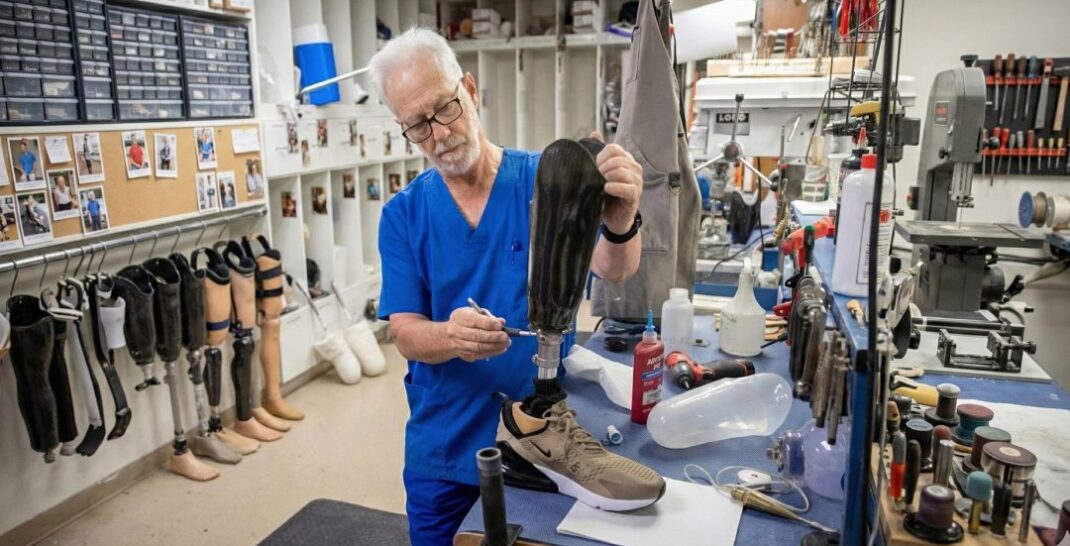
An on-site lab changes everything.
When a clinic fabricates sockets and components in-house, adjustments can be made faster. If your socket causes pressure points, you do not wait weeks for off-site corrections. The technician can quickly modify the fit.
Same-day sockets or rapid turnaround services reduce downtime. For many amputees, every day without a properly functioning limb affects work, family life, and mental health.
A prosthetic limb clinic with in-house fabrication also has more control over quality. That often leads to better custom prosthetic solutions tailored to your anatomy and activity level.
Prioritise Proper Prosthetic Fitting and Adjustment
Most long-term problems with prosthetics come down to poor fit. Skin breakdown, instability, and pain often stem from socket issues.
Prosthetic fitting and adjustment should never feel rushed. During your prosthetic consultation, the clinician should:
- Evaluate residual limb shape and volume
- Assess skin condition and scar tissue
- Discuss lifestyle and activity goals
- Measure carefully and explain the process
- Schedule follow-up adjustments proactively
Volume changes in the residual limb are common, especially during the first year after amputation. That is why the importance of follow-up care in prosthetics cannot be overstated.
Ask how often adjustments are included. Ask what happens if discomfort develops. Strong aftercare and maintenance for prosthetics separates average clinics from the best prosthetic clinic options in any region.
Evaluate Rehabilitation Integration
Mobility does not return from hardware alone. Rehabilitation drives outcomes.
Clinics that integrate advanced physical therapy and prosthetic rehabilitation services provide a smoother path back to walking. Some prosthetic care centers even coordinate therapy, gait training, and strength work on site.
That integration shortens recovery and improves confidence. Gait training, balance work, and core strength are essential for both below-knee and above-knee amputees.
If therapy is not offered on-site, ask whether the clinic works closely with local therapists. A disconnected process slows progress.
Ask About Advanced Prosthetic Technology
Technology continues to evolve. Microprocessor knees, energy-storing feet, vacuum suspension systems, and lightweight materials improve mobility and reduce strain.
Advanced prosthetic technology should match your goals. A highly active patient may benefit from dynamic response feet or microprocessor control. A lower activity patient may prioritise stability and ease of maintenance.
However, technology should never be oversold. The best prosthetic clinics near me will explain options clearly and discuss evidence, not hype. Ask why a specific component is recommended and what real-world benefit it provides.
Custom prosthetic solutions should reflect your anatomy, lifestyle, and insurance coverage.
Read Prosthetic Clinic Reviews and Ratings Carefully
Online reviews provide insight, but read them critically.
Look beyond star ratings. Focus on patterns:
- Do patients mention attentive care?
- Do they describe feeling heard?
- Are adjustments handled quickly?
- Is communication clear?
When searching for the best prosthetic clinic, reviews that highlight long-term follow-up and responsiveness matter more than comments about office decor.
If possible, ask to speak with a current patient or see testimonials. Many amputees are willing to share their experiences.
Consider Patient Retention and Long-Term Relationships
A prosthetic limb is not a one-time purchase. It is an ongoing relationship.
Residual limbs change. Activity levels evolve. Components wear down. That is why the importance of follow-up care in prosthetics must remain central.
Clinics with high retention rates often deliver consistent support. Ask how long their average patient stays with them. Ask how emergencies are handled.
Aftercare and maintenance for prosthetics should include routine checkups, guidance on liner replacement, and quick access for urgent issues.
Evaluate Accessibility and Location
When you search “best prosthetic clinics near me,” proximity matters more than convenience. Frequent visits are common in the first year.
If you live within 60 minutes of a clinic, ask about appointment flexibility and emergency scheduling. Transportation can be challenging early in recovery.
Clear contact systems, click-to-call options, and online appointment requests improve accessibility. A prosthetic limb clinic should make it easy to reach someone quickly.
Look for Holistic Support Services
Some prosthetic care centers go beyond hardware. Nutritional guidance, diabetic education, and support groups can influence long-term health.
For vascular or diabetic amputees, managing blood sugar and circulation directly affects limb health and prosthetic comfort.
Ask whether educational resources, support groups, or counselling referrals are available. Emotional recovery matters as much as physical recovery.
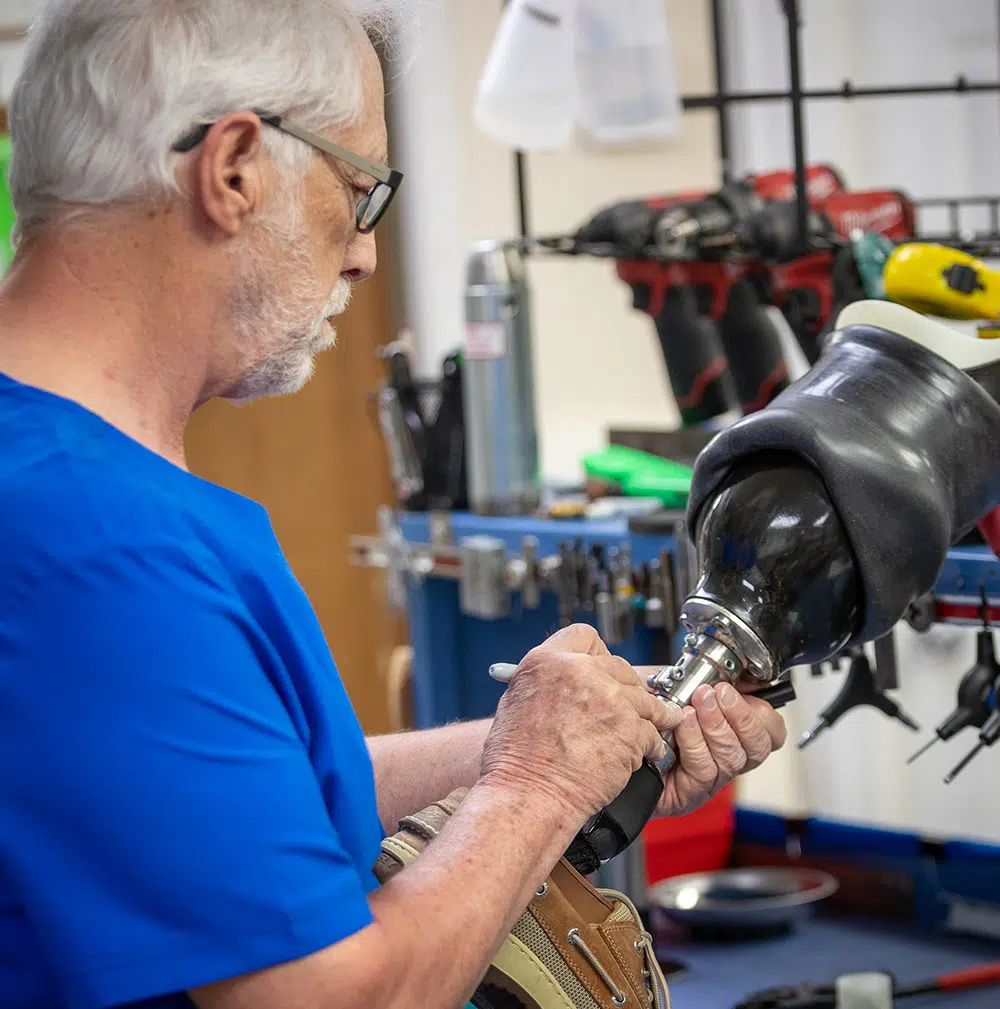
Holistic care means we support you beyond the prosthetic itself, with home visits, continuous monitoring, emergency response, in-house lab services, therapy coordination, and early intervention to protect long term mobility. From hospital to home, our team stays connected through education, follow-ups, and personalised support every step of the way.
How to Find a Prosthetic Specialist
If you are wondering how to find a prosthetic specialist, start with:
- Board certification databases
- Referrals from surgeons or rehabilitation hospitals
- Insurance provider directories
- Local amputee support groups
During your first prosthetic consultation, trust your instincts. Do you feel rushed? Or do you feel listened to?
Choosing a prosthetic limb provider for amputees should never feel transactional. It should feel collaborative.
Questions to Ask Before You Commit
Bring this checklist to your consultation:
- Who will perform my fittings?
- How many similar cases do you handle annually?
- What is your adjustment policy?
- How quickly can you address discomfort?
- What rehabilitation support do you coordinate?
- What advanced prosthetic technology options are appropriate for me?
- How do you handle insurance approvals?
- What does long-term follow-up look like?
Clear answers signal professionalism.
The Human Factor
Clinical skill matters. Technology matters. Insurance clarity matters.
But so does empathy.
Patients often describe the best prosthetic clinic experiences as personal. They feel known by name. They feel supported through setbacks. They are not treated as case numbers.
Mobility restoration carries emotional weight. The ability to stand again, to walk into a room independently, to return to work, carries meaning that goes beyond biomechanics.
Artificial limb specialists who understand the emotional dimension often deliver better outcomes because patients feel motivated and supported.
Move Forward With Confidence at Amputee Clinic
At Amputee Clinic, we know that choosing a prosthetic clinic can shape your mobility and independence for years to come. Many patients arrive frustrated by poor fit, discomfort, or limited movement. Our focus is simple. Restore function. Improve comfort. Help you walk with stability again.
As a dedicated prosthetic limb clinic in Fort Myers, we combine over 100 years of clinician experience with the only on-site lab of its kind in the area. That allows us to deliver precise prosthetic fitting and adjustment without long delays. Every prosthetic consultation is detailed and personal, led by a certified prosthetist who listens to your goals.
We coordinate rehabilitation support, guide you through insurance billing, and provide ongoing aftercare and maintenance for prosthetics. The importance of follow-up care in prosthetics is central to our approach.
If you are searching for the best prosthetic clinic, we invite you to meet our team at a free consultation and experience the difference firsthand.
FAQs
What qualifications should a prosthetics clinic have?
Look for a clinic led by a board-certified prosthetist with proven experience in treating amputees at your level of limb loss. Certification, ongoing training, and years of hands-on work directly affect fit and long term results. At our Fort Myers clinic, our team brings decades of combined expertise and comprehensive prosthetic services. If you want experienced guidance and personalised care, book a consultation or contact us today.
Why is an on-site lab important when choosing a clinic?
An on-site lab allows faster fabrication, same-day adjustments when possible, and better quality control. Without it, changes may take weeks. In-house capabilities improve precision and reduce downtime. Our Fort Myers location offers full fabrication services to help patients regain mobility more efficiently. To experience the benefit of streamlined prosthetic care, contact us and schedule your consultation.
Does clinic experience with my specific amputation matter?
Yes. Above-knee, below-knee, and partial foot amputations require different design considerations. Clinics with broad experience manage complex cases more effectively. Our team has treated a wide range of patients, including vascular and diabetic amputees. Experience translates into better fitting and improved stability. To discuss your specific condition, contact our Fort Myers clinic and schedule your free consultation.
What questions should I ask a prosthetics clinic before committing?
When choosing a prosthetics clinic, ask who will handle your fittings, how often follow-ups are scheduled, whether fabrication is done on-site, and how quickly issues are addressed. Clarify insurance handling, technology options, and rehabilitation support. Strong clinics answer clearly and confidently. At our Fort Myers location, we welcome detailed questions and provide transparent guidance. If you are evaluating providers, book a free consultation or contact us to discuss your goals and experience our patient-focused expertise firsthand.