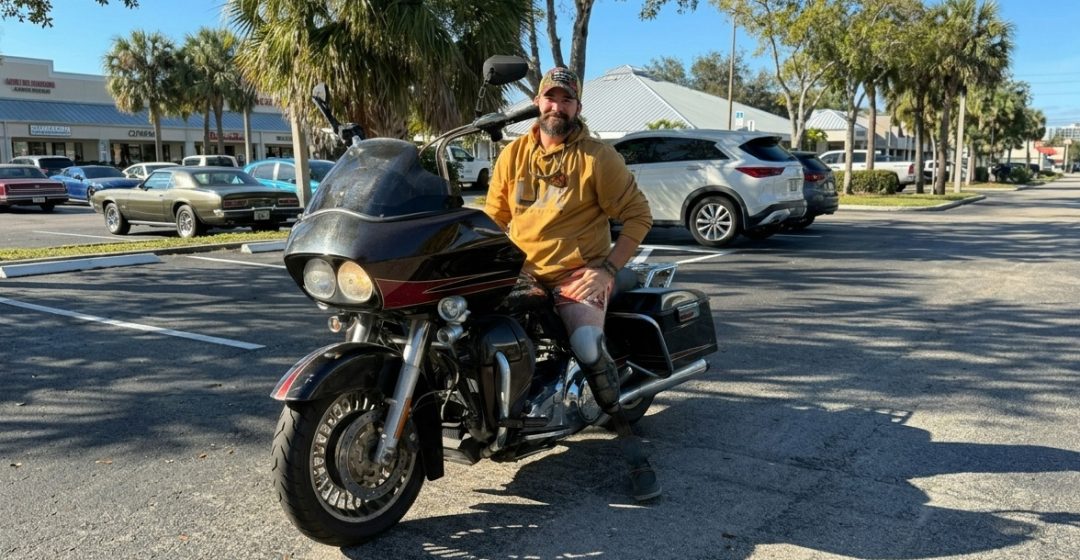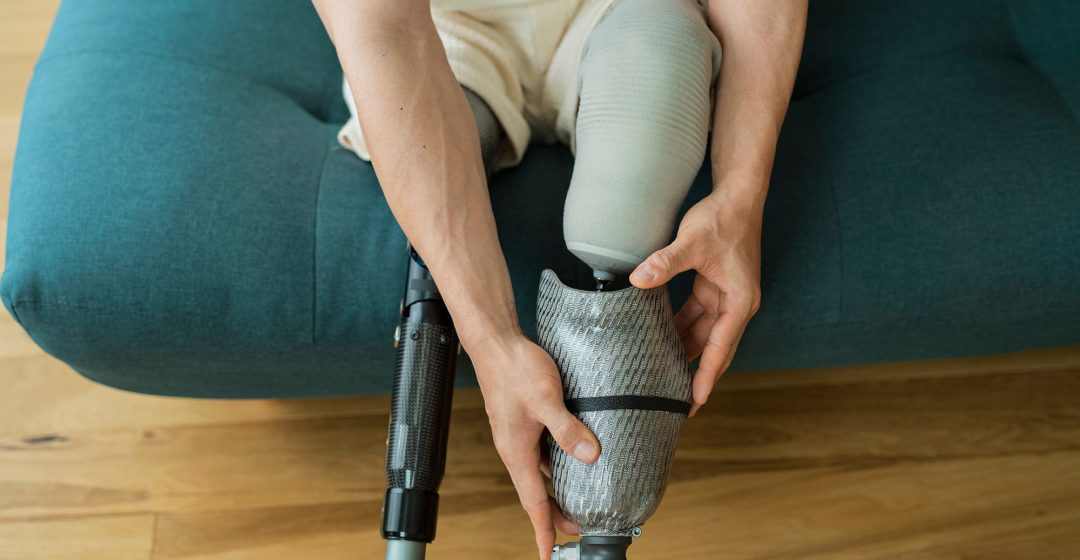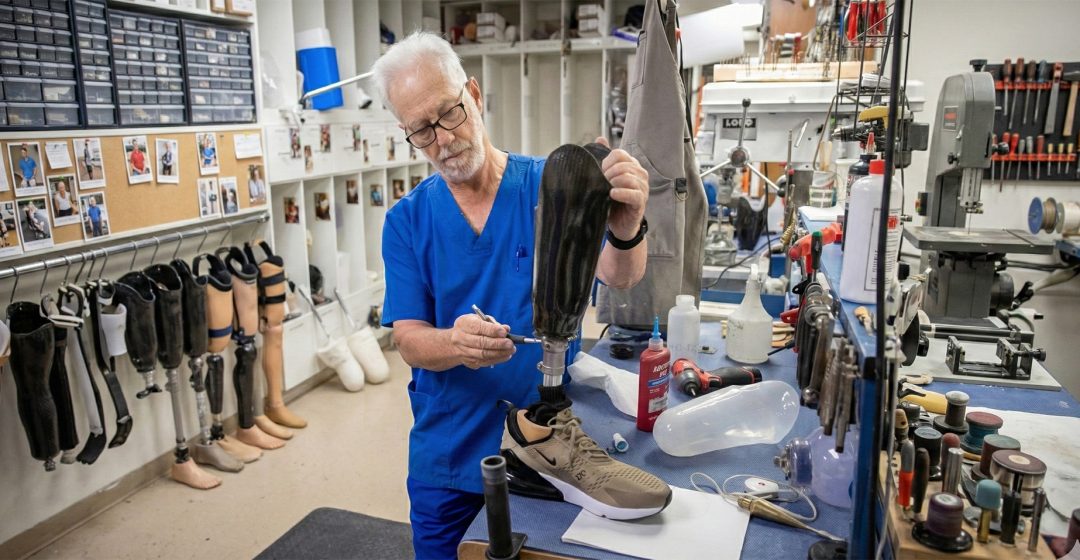
Supporting Recovery, Mobility and Everyday Confidence
Life after amputation brings significant physical and emotional change. Recovery is not only about healing after surgery, but it is also about rebuilding strength, adjusting to changes in mobility, regaining independence and learning how everyday life may look moving forward. For many patients, the process can feel overwhelming at first, especially when recovery affects work, family life and simple daily routines.
Amputation recovery takes time, patience and the right support. In this blog, we look at practical ways to support healing, improve mobility and help patients move forward with greater confidence during each stage of recovery, from early rehabilitation to long-term prosthetic use and daily independence.
Give Recovery Time and Protect the Healing Process
The early stage of recovery after amputation is focused on healing properly and protecting the residual limb. It can be tempting to push too quickly toward normal activity, but allowing the body time to heal is an important part of long-term mobility and comfort.
This often includes managing swelling, monitoring wound healing, reducing pain and following medical advice around movement and rehabilitation. Protecting the surgical site early helps reduce complications later and creates a stronger foundation for prosthetic fitting and physical recovery.
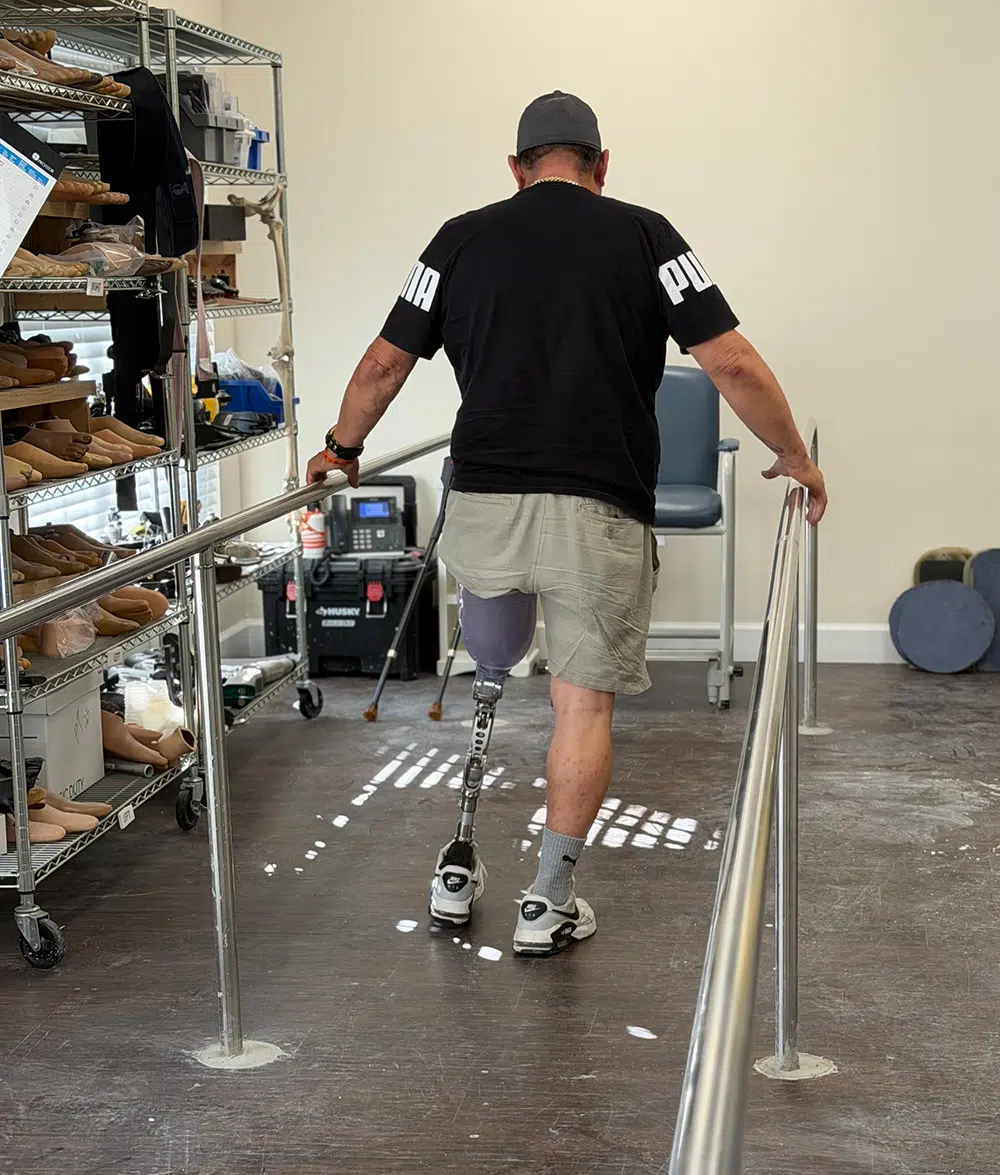
Amputation recovery involves healing, rehabilitation and rebuilding confidence in everyday movement.
Build Strength and Mobility Gradually
Recovery after amputation is rarely about sudden progress. Strength, balance and movement are usually rebuilt gradually, and small improvements often matter more than trying to move too quickly. A steady, supported approach helps improve mobility after amputation more safely and comfortably.
This often includes focusing on:
- Improving balance and coordination
- Rebuilding strength in supporting muscles
- Protecting the unaffected side of the body
- Reducing strain on the hips, knees, back and shoulders
- Developing safe movement patterns for daily life
Giving the body time to adapt is one of the most important parts of recovery. Rushing too quickly can lead to setbacks, discomfort, or unnecessary strain elsewhere in the body, while steady progress helps create stronger long-term mobility and greater confidence.
Physical Therapy is Part of Long-Term Success
Physical therapy after amputation plays a major role in helping patients regain confidence and move safely. Rehabilitation is not only about walking again, but also about balance, posture, strength and reducing the risk of future strain or injury.
Therapy may include gait training, balance work, strengthening exercises and learning safer movement patterns for everyday life. Whether a patient is preparing for a prosthetic limb or adjusting to long-term mobility changes, physical therapy helps make recovery more stable and sustainable.
Adjusting Emotionally is Part of Recovery Too
The emotional side of amputation recovery is just as important as the physical side. Changes in independence, routine and body image can affect confidence, and it is normal for patients to experience frustration, uncertainty, or periods of emotional exhaustion during recovery.
Support from family, healthcare professionals and peer groups can make a meaningful difference. Giving yourself time to adjust emotionally, not just physically, helps create a healthier and more realistic recovery process that supports long-term well-being.
Learning to Use a Prosthetic Limb Takes Time
Receiving a prosthetic limb is an important step, but fitting the prosthetic is only the beginning of the process. Learning to walk with a prosthetic limb takes patience, regular adjustments and time to build comfort and trust in movement again.
Balance, walking patterns, fit and daily function often improve gradually rather than immediately. Small refinements to the socket, alignment, or overall fit can make a major difference to comfort and mobility, which is why ongoing prosthetic support is such an important part of rehabilitation after amputation.
Small Everyday Wins Matter Most
Recovery milestones are not always major medical moments. Very often, the most meaningful progress comes from small everyday achievements that help patients feel more like themselves again and restore confidence in daily life.
These milestones may include:
- Walking comfortably at home
- Returning to work or normal routines
- Driving again with confidence
- Preparing meals independently
- Getting back to hobbies or exercise
- Moving through daily life with greater ease
These moments matter because they represent independence returning in practical ways. Life after amputation is not only about medical recovery, but also about feeling capable, comfortable and confident in everyday routines that help restore normal life.
Recovery is Easier With the Right Support Around You
Amputation recovery should never feel like something you have to manage alone. The right support can make a significant difference, whether that means prosthetic care, rehabilitation, physical therapy, home visits, or simply having a team that helps guide each stage of recovery.
At Amputee Clinic in Fort Myers, we support patients through the full recovery journey, from early healing and prosthetic planning to long-term mobility and follow-up care. If you have questions about recovery after amputation, prosthetic support, or improving mobility, our team is here to help. Contact us to discuss your next steps and the support available for your recovery journey.
FAQs
How long does amputation recovery take?
Amputation recovery varies from person to person and depends on the type of amputation, overall health, rehabilitation progress and whether a prosthetic limb is being fitted. Early healing may take several weeks, while full adjustment to mobility, strength and daily routines often continues over several months.
When can I use a prosthetic after amputation?
The timing depends on wound healing, swelling control and how well the residual limb is recovering. Some patients may begin prosthetic fitting within a few weeks, while others may need more time before the limb is ready for safe and comfortable use.
How do I care for a residual limb after amputation?
Residual limb care usually includes keeping the area clean, monitoring for skin irritation, managing swelling and following medical advice around compression or dressing changes. Regular checks help reduce complications and support a better fit for future prosthetic use.
Can I drive again after an amputation?
Many patients can return to driving after recovery, although the timeline depends on healing, strength, confidence and the type of amputation involved. Some people may also need vehicle adaptations or medical clearance before driving safely again.
What helps with emotional recovery after limb loss?
Emotional recovery often improves with time, routine and support from family, healthcare professionals and peer groups. Talking openly about frustration, confidence changes, or anxiety can help patients adjust more realistically and avoid feeling isolated during recovery.
Will I need physical therapy long-term?
Some patients need physical therapy for a shorter recovery period, while others benefit from longer-term rehabilitation depending on mobility goals and prosthetic use. Ongoing therapy can help improve strength, balance, posture and confidence over time.